
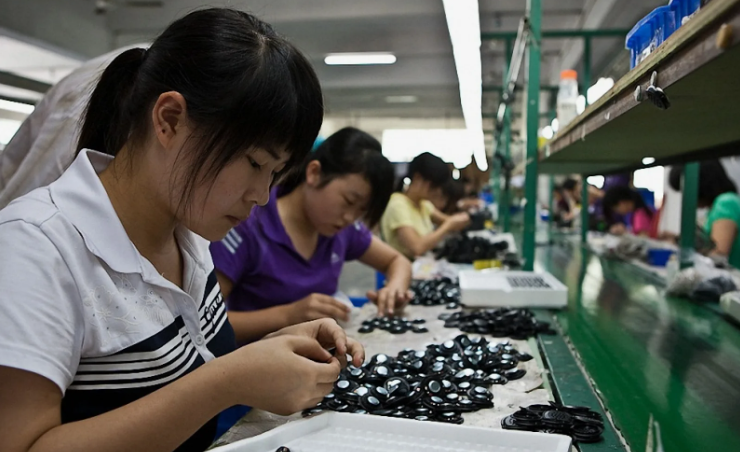
Understanding the Basics of Manufacturing in China
China has become a global manufacturing hub thanks to its advanced infrastructure, accessible labor force, and modern technology. Launching your own manufacturing facility in China can be a great business opportunity, but it requires careful preparation and understanding of local conditions. Here it’s important to consider not only economic aspects but also cultural peculiarities, legal regulations, and logistics.
Steps of Launching Manufacturing in China
1. Market Research
Before starting production, it’s essential to conduct detailed market research. This includes analyzing competitors, identifying your target audience, and studying consumer preferences. Understanding the market situation will help you choose the right niche and avoid common mistakes.
2. Product Selection
Determine what product you want to manufacture. This could be anything from electronics to textiles. It’s important that your product has market demand and meets the requirements Quality. It’s also worth considering adapting the product to local preferences.
3. Finding Partners and Suppliers
Establishing relationships with local suppliers and partners is key. This may include finding factories that can manufacture your product, as well as raw material suppliers. It’s recommended to attend trade shows and fairs to establish contacts and evaluate product quality.
Legal Aspects and Business Registration
1. Choosing a Business Form
There are several business forms in China, including joint ventures, wholly foreign-owned enterprises, and representative offices. The choice depends on your goals, the amount of investment, and the level of control you want over production.
2. Company Registration
Registering a business in China can be a complex procedure. You’ll need to prepare a number of documents, including a business plan, incorporation documents, and licenses. It’s recommended to consult with local lawyers who can assist you with the registration process and compliance with all applicable regulations. norm.
Logistics and Supply
1. Logistics Organization
Logistics plays a vital role in the production process. You will need to organize the delivery of raw materials to the factory and finished products to customers. Consider various transportation options, including sea, air, and land freight, to select the most efficient and cost-effective method.
2. Inventory Management
Effective inventory management will help avoid surpluses and shortages. Use modern accounting and management systems to optimize processes and reduce costs.
Quality and Standards
1. Quality Control
Product quality is one of the key factors for success. Develop a quality control system that includes inspections at all stages of production. This will help you avoid defects and increase customer confidence in your brand.
2. Compliance Standards
Ensure your products meet local and international standards. This may include certifications, environmental compliance, and safety requirements. Having certifications will increase your product’s competitiveness in the market.
Marketing and Sales
1. Developing a Marketing Strategy
An effective marketing strategy will help you attract customers and increase sales. Use a variety of promotional channels, including online advertising, social media, and traditional methods. Consider the specifics of the local market and the preferences of your target audience.
2. Setting a Pricing Policy
Pricing should take into account production costs, the level of competition, and purchasing power. Analyze prices of similar products and determine the optimal price for your product.
Financial Planning
1. Budgeting
Create a detailed budget that includes all startup and operating expenses business. This will help you control your financial flows and avoid unexpected expenses.
2. Seeking Financing
If you don’t have enough of your own funds, consider attracting investment. This could be either venture capital or bank loans. Prepare a business plan that will convince investors of the profitability of your project.
Advantages and Disadvantages of Manufacturing in China
1. Advantages
Manufacturing in China offers many advantages, including low labor costs, access to modern technology, and developed infrastructure. This allows you to significantly reduce production costs and increase profits.
2. Disadvantages
However, there are also disadvantages, such as the language barrier, difficulties complying with local laws, and potential product quality issues. It is important to be prepared for these challenges and develop a strategy in advance.
